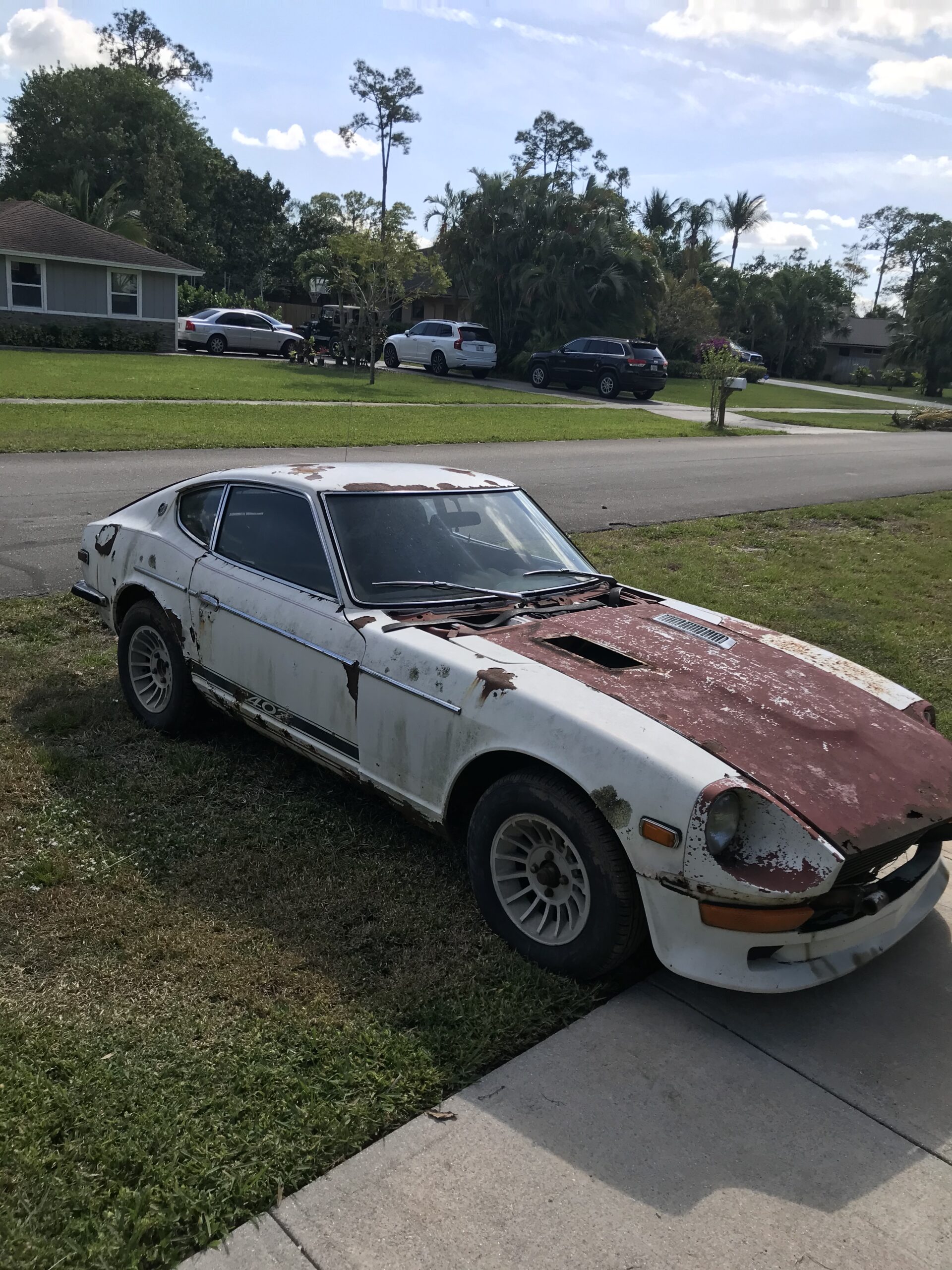
Introduction
Buying a classic car is exciting. It feels personal and rewarding. Many buyers dream about owning a vintage vehicle for years. But the process is not always simple. Classic cars often come with hidden problems. These issues may not be visible during a quick inspection. A proper pre-purchase inspection of classic cars process helps uncover these concerns early. It gives buyers a clear understanding of what they are investing in. From structural damage to cosmetic flaws, every detail matters. Even small issues can lead to large repair costs later. Expert evaluation protects your investment. It also ensures long-term satisfaction and peace of mind.
Why Rust Repair Expertise Matters in Classic Cars
A pre-purchase inspection of classic cars often starts with rust detection. Rust is one of the most common issues in older vehicles. It develops slowly over time. Moisture and exposure make it worse. Some rust is easy to spot. Other areas remain hidden beneath paint or inside panels.
- Hidden rust can exist in the chassis, floor pans, or under trim
- Surface rust may look minor, but it spreads quickly if ignored
- Deep rust weakens the structure and affects safety
- Professionals use specialized tools to detect hidden corrosion
- Early detection reduces repair costs and prevents further damage
Understanding rust is essential for buyers. It helps avoid major expenses later. It also ensures the car remains safe to drive. Proper inspection gives a clearer picture of the vehicle’s true condition.
The Importance of Safe Paint Stripping Techniques
Paint condition reveals a lot about a car’s past. A pre-purchase inspection of classic cars review includes checking the previous paintwork. Many older cars have been repainted at least once. Poor paint removal methods can damage the body. They can also hide serious issues.
Safe paint stripping is a careful process. It removes layers without harming the metal underneath. This step exposes the true surface condition. It helps identify filler, dents, and past repairs. Buyers can then judge authenticity more accurately. It also allows better planning for future restoration work. A clean and undamaged base is important for achieving high-quality results later. Without proper stripping, new paint may not last long or look consistent.
Restoration Options for Classic Car Enthusiasts
After a pre-purchase inspection of classic cars, evaluation, and restoration planning become important. Every classic car has different needs. Some vehicles require only minor improvements. Others need extensive work to bring them back to life.
- Partial restoration focuses on repairing specific damaged areas
- Full restoration returns the car to its original factory condition
- Custom restoration allows modern features while keeping classic style
- Mechanical restoration improves engine performance and reliability
- Cosmetic restoration enhances the appearance without major changes
Each option serves a different purpose. Buyers can choose based on their goals and budget. Planning ahead prevents unnecessary spending. It also ensures the restoration process runs smoothly. A clear strategy leads to better results and long-term satisfaction.
Upholstery and Interior Restoration Considerations
Interior condition plays a big role in overall value. A pre-purchase inspection of classic cars includes a detailed review of upholstery. Seats, carpets, and panels often show signs of age. Cracks, fading, and tears are common.
Experts examine materials closely. They check stitching, fabric quality, and design accuracy. Proper restoration keeps the original look intact. It also improves comfort for daily use. High-quality upholstery work adds value to the vehicle. It creates a more enjoyable driving experience. For collectors, authenticity is very important. Every detail must match the original era. Even small changes can affect the car’s appeal and resale value.
Achieving Show-Quality Automotive Painting
The exterior finish is the first thing people notice. A pre-purchase inspection of classic cars evaluates paint quality in detail. A smooth and even finish reflects careful workmanship. Poor paint can hide underlying flaws.
- High-quality paint improves both appearance and resale value
- Certified systems ensure durability and long-lasting shine
- Proper surface preparation is essential for a smooth finish
- Accurate color matching preserves originality
- Skilled application creates a professional, show-quality look
A good paint job does more than enhance appearance. It also protects the vehicle from environmental damage. This includes moisture, sunlight, and debris. Proper painting extends the life of the car’s exterior and keeps it looking its best.
Conclusion
Buying a classic car requires careful thinking. Passion alone is not enough. A detailed pre-purchase inspection of classic cars makes a significant difference. It reveals hidden issues before they become serious problems. It helps buyers understand the true condition of the vehicle. From rust and paint to upholstery and restoration planning, every detail matters. Professional guidance ensures better decisions. It also reduces risks and unexpected costs. With the right inspection process, buyers can move forward with confidence. The result is a rewarding ownership experience that lasts for years.