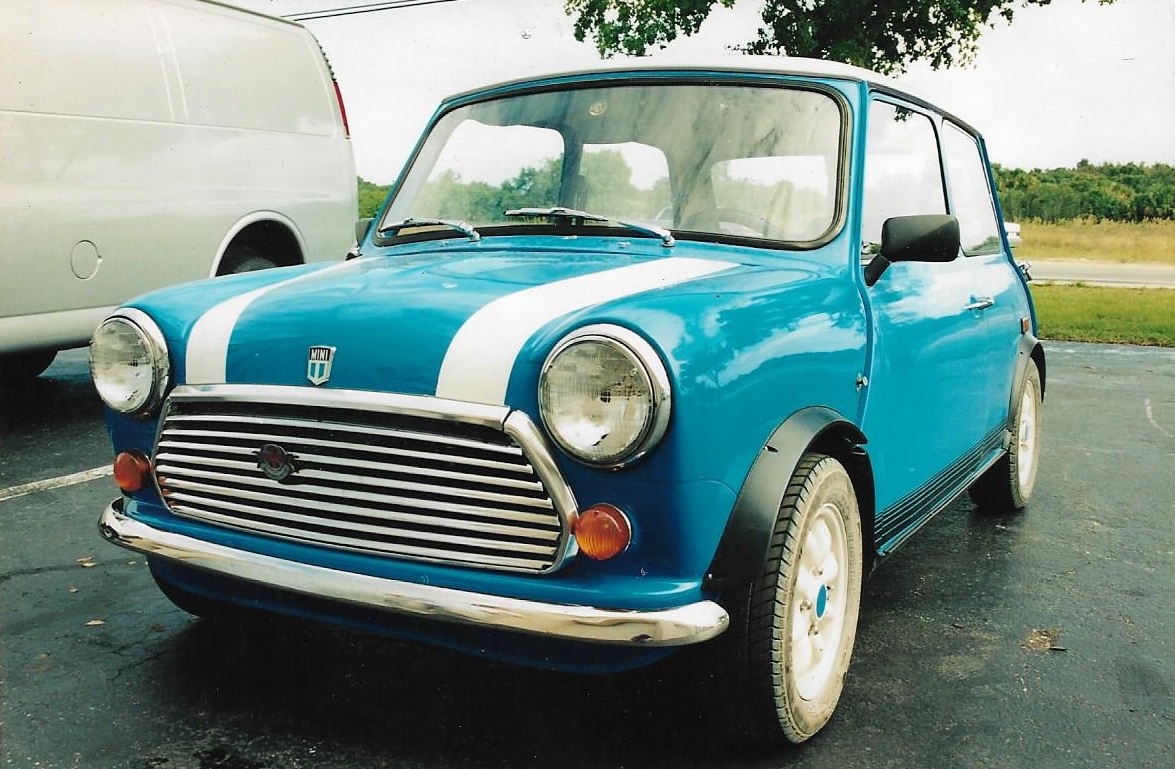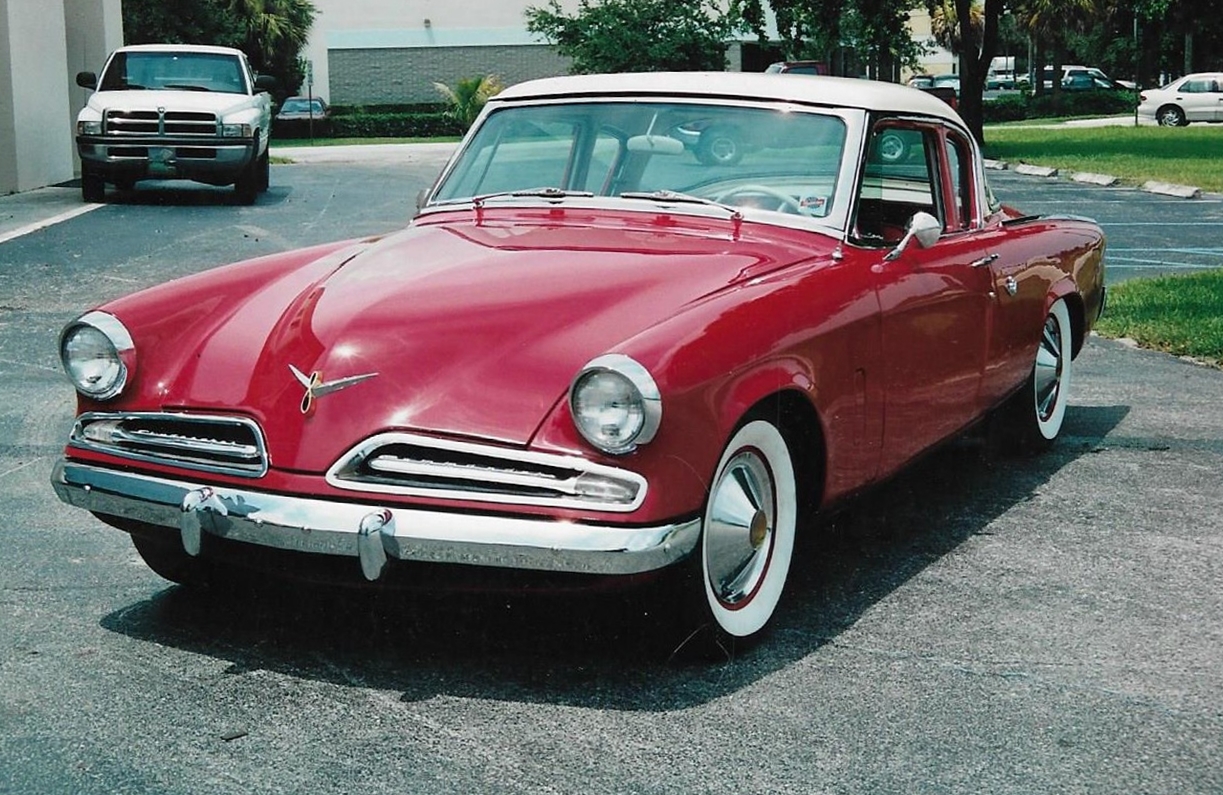
Classic cars carry stories that modern vehicles rarely match. Each one represents a piece of automotive history. A weathered Mustang from the 1970s or a classic pickup from the 1950s can still turn heads today. These vehicles were built with style and character that many enthusiasts still admire.
However, time eventually leaves visible marks. Paint fades. Metal surfaces collect rust. Interiors wear down after decades of use. Without proper care, even the most beautiful car can slowly lose its charm.
This is where restoration becomes important. A proper restoration process brings the vehicle back to life. It protects its value and preserves its original identity. One of the most important parts of this process is automotive paint restoration. A well-restored paint surface brings back color depth, shine, and protection. For collectors and enthusiasts, restoration is not just repair work. It is a way to revive an automotive legacy.
The Art of Restoring a Classic Vehicle
Restoring a classic vehicle requires patience and precision. It is both a technical process and a creative craft. Every detail matters. From body panels to interior trim, each component plays a role in the final result.
Many classic cars arrive with faded paint and damaged surfaces. Some may have dents or rust spots. Others may have old paint layers that were applied years ago. Before any work begins, the vehicle must be carefully inspected.
This inspection helps determine the level of restoration required. Some cars only need light refinishing. Others require complete rebuilding. Mechanical systems, body panels, and interiors may all need attention.
One of the most important stages is automotive paint restoration. The exterior of the vehicle creates the first impression. Matching the original color is crucial. The paint must be applied with accuracy and care. Skilled professionals also correct small imperfections in the metal surface before painting.
The goal is not simply to make the car look new. The real goal is to make it look authentic. When done correctly, the vehicle reflects its original beauty while maintaining its historical value.
Why Classic Car Owners Choose Professional Restoration
Many classic car owners prefer professional restoration services. There are several reasons behind this choice.
- Authentic restoration techniques: Restoration experts understand the materials used in older vehicles. They know how finishes were originally applied. This knowledge is especially important during automotive paint restoration, where color accuracy and layering techniques matter.
- Improved long-term value: A well-restored classic car often increases in value. Collectors appreciate vehicles that maintain original design details.
- Better safety and reliability: Restoration is not only about appearance. Mechanical components such as brakes, suspension, and engines must also function properly.
- High-quality results for car shows: Classic car shows require exceptional presentation. Professional restorations help achieve the polished finishes and precise details that judges expect.
From Barn Find to Showpiece
Many classic cars begin their restoration journey after being discovered in storage. Enthusiasts often call these discoveries barn finds. These vehicles may have remained untouched for years. At first glance, they may appear beyond repair.
However, many of these cars still have strong restoration potential. Skilled technicians carefully examine the structure and mechanical components. They determine which parts can be repaired and which must be replaced.
The restoration process often begins with full disassembly. Parts are removed and documented. This helps ensure proper reassembly later. After that, body repairs begin. Rust is removed, and damaged metal is replaced.
Once the body structure is restored, attention turns to the finish. This is where automotive paint restoration becomes essential. Old paint layers are stripped away. Surfaces are smoothed and prepared for primer. Several layers of color and protective coating are then applied.
The final result can be remarkable. A vehicle that once looked forgotten can become a stunning showpiece again.
Key Steps in a Classic Car Restoration Project
Classic car restoration usually follows several important stages.
- Detailed inspection and planning: Technicians evaluate the vehicle’s overall condition. They create a step-by-step restoration plan.
- Disassembly and organization: Parts are removed carefully and labeled. Proper documentation prevents confusion during reassembly.
- Body repair and rust treatment: Damaged metal is repaired or replaced. The surface is prepared for automotive paint restoration to ensure a smooth and durable finish.
- Paint refinishing and surface protection: Multiple layers of primer, color, and protective coating are applied carefully.
Final reassembly and detailing: Mechanical parts and trim pieces are reinstalled. The vehicle is polished and inspected before completion.
The Emotional Reward of Driving a Restored Classic
Owning a restored classic car brings a unique sense of satisfaction. The experience goes beyond appearance. It connects the driver with automotive history. Every drive becomes memorable. The sound of the engine feels different from modern vehicles. The design attracts attention wherever the car goes. People often stop to admire a well-restored classic.
The exterior finish also plays a major role in this experience. Through professional automotive paint restoration, faded surfaces regain their original shine. The color becomes deeper and more vibrant. The paint also protects the body from weather and corrosion.
Many restored cars eventually become family treasures. They are passed down through generations. Each owner adds new memories to the vehicle’s history.
Conclusion
Classic car restoration preserves both craftsmanship and history. It allows vintage vehicles to remain part of the modern world. Every stage of restoration requires skill and dedication. Mechanical repairs, bodywork, and finishing details all play an important role.
Among these steps, automotive paint restoration has a major visual impact. It restores the color, shine, and protection of the vehicle’s exterior. A properly restored finish transforms the entire appearance of the car.
When the restoration is complete, the result is more than a repaired vehicle. It becomes a revived classic. Owners gain the chance to enjoy the beauty, performance, and heritage of their car once again.